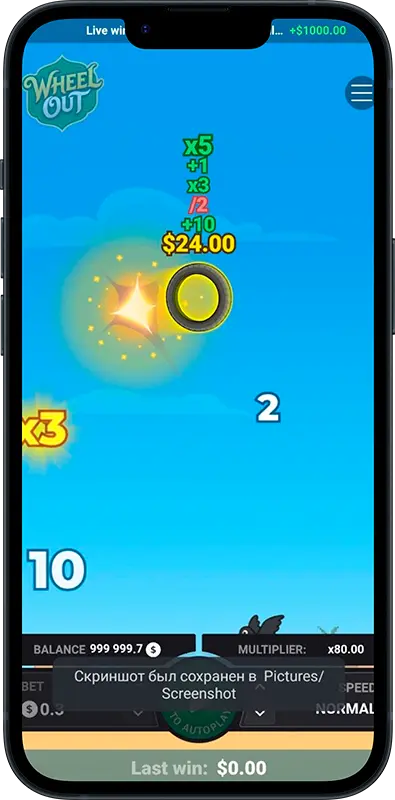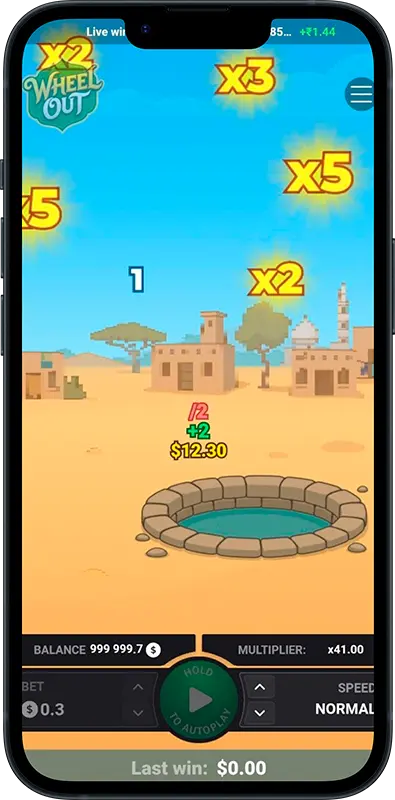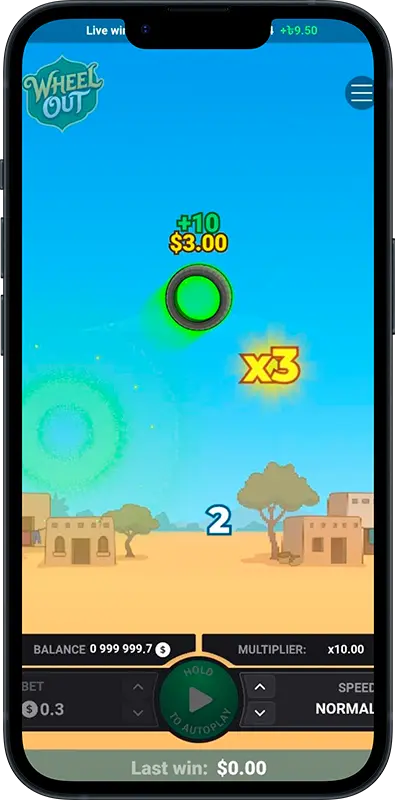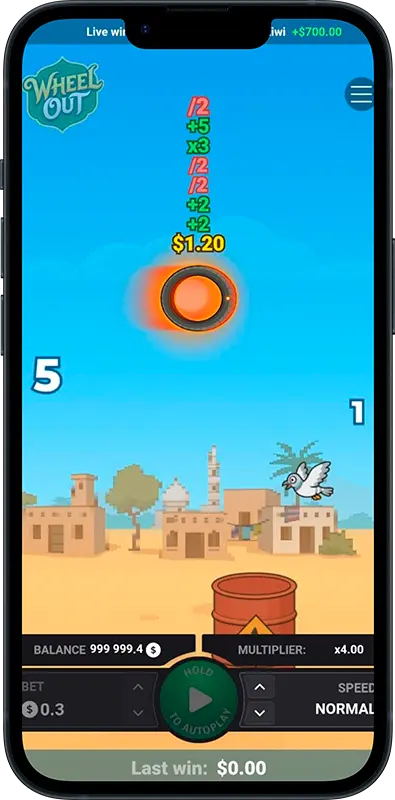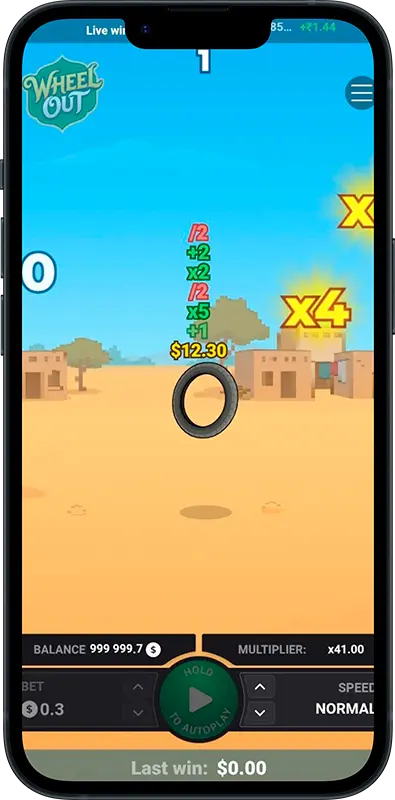





What Is the Wheel Out Game and How Does It Work?
The Wheel Out game has taken the Indian online gaming community by storm, offering a thrilling blend of chance, strategy, and real-money excitement. At its core, this game revolves around a spinning wheel divided into multiple segments, each carrying a different multiplier value or outcome. Players place their bets before the wheel is spun, and depending on where the pointer lands, they either win a multiplied return on their stake or lose their wager. The simplicity of the concept combined with the potential for significant payouts has made it one of the most popular casual betting games across platforms in India.
Understanding how the Wheel Out game works is the first step toward developing any meaningful strategy. Unlike card games or sports betting, this game is largely driven by probability. Each segment of the wheel has a fixed probability of being landed on, which is determined by the size of the segment relative to the entire wheel. Larger segments โ typically the lower multiplier ones โ appear more frequently, while smaller segments with higher multipliers are harder to hit but pay out much more generously when they do.
The game interface is usually clean and intuitive. Players select a bet amount, choose which segments or multiplier values they want to wager on, and then hit the spin button. The wheel animation adds a visual element of excitement, and results are displayed instantly. Some platforms also offer features like auto-spin, history logs, and detailed statistics โ all of which can be incredibly useful for players who want to track patterns and make more informed decisions.
Breaking Down the Scoring System in Detail
The scoring system in the Wheel Out game is built around multipliers and return-to-player (RTP) percentages. Each segment of the wheel is assigned a specific multiplier โ common values include 1.5x, 2x, 3x, 5x, 10x, 20x, and sometimes even higher for special jackpot segments. When you bet on a particular segment and the wheel stops there, your original stake is multiplied by that value and credited to your account.
Here is a breakdown of how the math typically works. Suppose you place a bet of โน100 on the 2x segment. If the wheel lands on that segment, you receive โน200 โ your original โน100 stake back plus โน100 in profit. If the wheel lands anywhere else, you lose your โน100 wager. This straightforward payout structure is part of why the game is so easy to understand, even for beginners in India who may be exploring online gaming for the first time.
| Multiplier | Segment Size | Hit Probability | โน100 Bet Returns | Risk Level |
|---|---|---|---|---|
| 1.5x | 35% | High | โน150 | ๐ข Very Low |
| 2x | 30% | High | โน200 | ๐ข Low |
| 3x | 18% | Medium | โน300 | ๐ก Medium |
| 5x | 10% | Medium-Low | โน500 | ๐ Medium-High |
| 10x | 5% | Low | โน1,000 | ๐ด High |
| 20x | 2% | Very Low | โน2,000 | ๐ด Very High |
The RTP (Return to Player) percentage is a critical scoring concept that many players overlook. Most legitimate Wheel Out game platforms maintain an RTP of between 92% and 97%, which means that over a statistically significant number of spins, the game returns that percentage of total wagered amounts back to players. An RTP of 95%, for example, means that for every โน100 wagered collectively, โน95 is returned in winnings. The remaining 5% represents the house edge โ the platform's built-in profit margin.
Understanding RTP helps you evaluate different platforms and versions of the game. A platform offering a higher RTP is statistically more favorable for players. However, it's important to note that RTP is calculated over thousands of spins, not just a few rounds. Short-term variance can lead to wins or losses that diverge significantly from the stated RTP, which is normal and expected behavior of any probability-based game.
Some versions of the game also include special scoring segments such as bonus rounds, free spins, or jackpot zones. These special segments are typically the smallest on the wheel (lowest probability) but offer the highest rewards. Understanding the proportion of each segment helps you calculate the expected value of each bet, which is a cornerstone concept in any serious gaming strategy.
How Multipliers Affect Your Winnings
Multipliers are the heartbeat of the Wheel Out game scoring system. They determine how much you earn when the wheel lands in your favor, and understanding how to leverage them effectively can significantly impact your long-term experience on any gaming platform in India.
The relationship between multiplier size and probability is inversely proportional โ the higher the multiplier, the less likely it is to hit. This is by design and is what maintains the mathematical balance of the game. A 2x multiplier might occupy 30% of the wheel, while a 20x multiplier might only take up 5% of the wheel space. Over time, this ensures the house maintains its edge while still offering players the thrill of chasing big wins.
One useful strategy for managing multiplier bets is called "coverage betting," where players spread their wagers across multiple segments to cover a larger portion of the wheel. For example, instead of placing your entire โน500 bet on a single 10x segment, you could split that amount โ say โน200 on the 2x segment, โน200 on the 3x segment, and โน100 on the 5x segment. This reduces the risk of total loss on any single spin while still giving you meaningful upside potential.
However, coverage betting also reduces the maximum return. If you cover 70% of the wheel, you're essentially betting against yourself on the remaining 30%. The key is finding the right balance between coverage and potential reward that suits your risk appetite and bankroll management strategy.
Advanced players in India also study the "expected value" (EV) of each multiplier segment. The EV is calculated by multiplying the probability of landing on a segment by the payout it offers, then subtracting the probability of not landing on it multiplied by the cost of that bet. Segments with positive or near-zero EV are considered the best bets from a mathematical standpoint, though even these are subject to short-term variance.